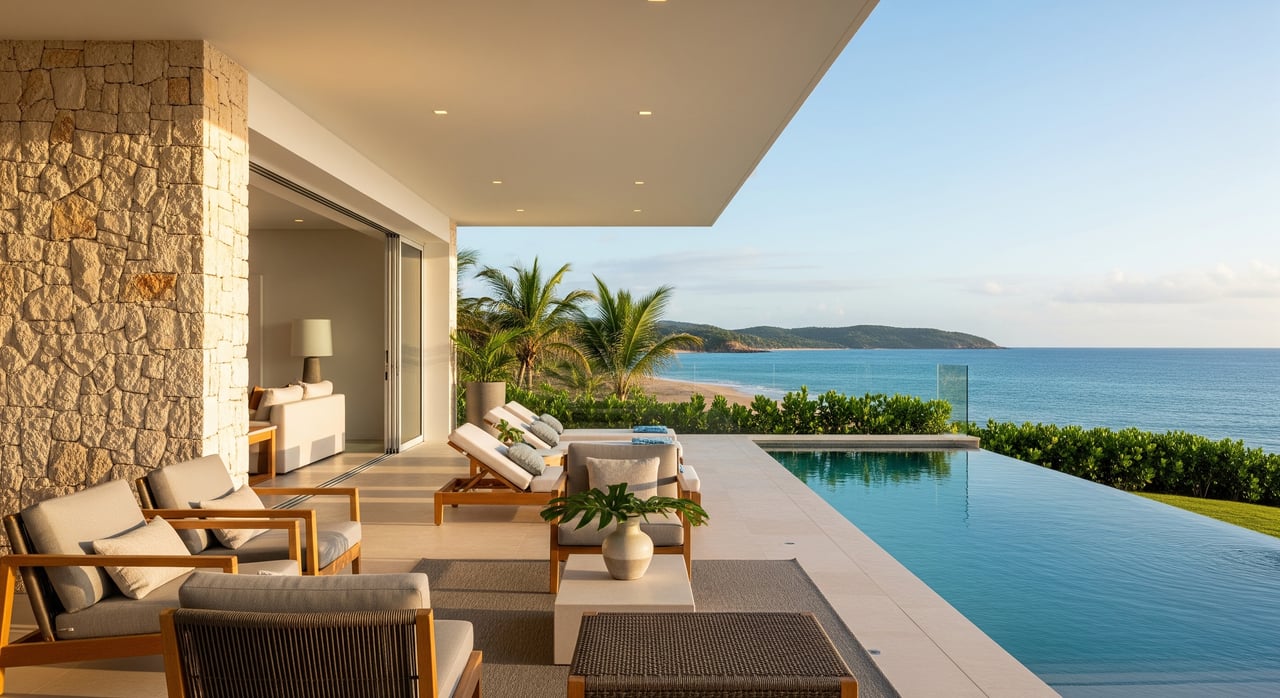
Inside the Dorado Beach East Lifestyle and Daily Rhythm
February 5, 2026
February 5, 2026
What would your day feel like if your neighborhood blended palm-lined paths, a golf cart ride to the beach, and dinner under the stars after a sunset swim? If you are thinking about a second home or a move to Dorado, you want more than pretty photos. You want to understand rhythms, logistics, and costs. This guide walks you through everyday life inside Dorado Beach East so you can decide if the lifestyle matches your plans. Let’s dive in.
Dorado Beach East sits on Puerto Rico’s north coast within the municipality of Dorado. You have relatively direct access to PR‑22, the main coastal expressway that connects to San Juan and the island’s primary international airport. This location is a major advantage if you travel often or split time between Puerto Rico and the mainland.
You are near Dorado’s resort corridor and beaches, yet tucked into a residential setting that feels calm. The mix of privacy and proximity shapes daily routines, from quick grocery runs to easy airport departures.
Expect warm to hot weather year-round with high humidity. There is a pronounced wet season, so afternoon showers are part of life. Outdoor spaces are designed for shade and airflow, which helps you enjoy the climate while staying comfortable.
Hurricane season runs from June through November. Owners in coastal areas often plan for wind and rain by reinforcing windows and shutters, checking roofs, and managing landscaping. Many residents invest in backup power and keep emergency supplies on hand. Insurance is an important part of your plan, and you will want quotes early in your due diligence.
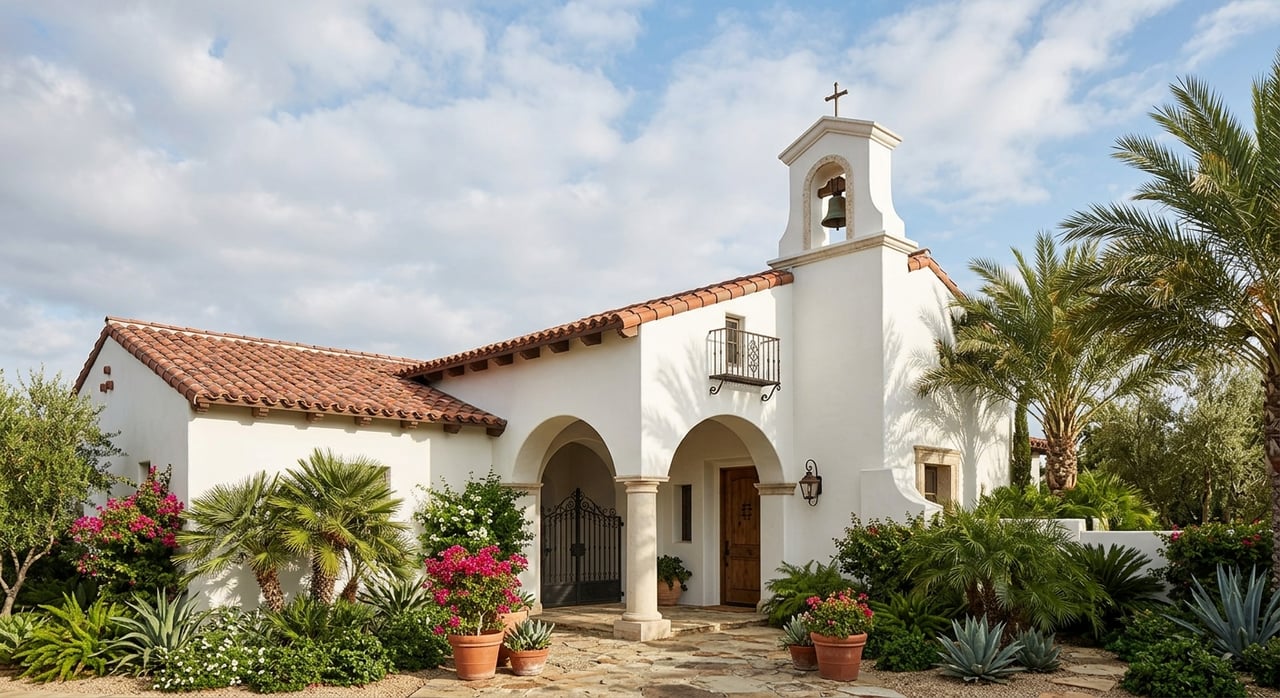
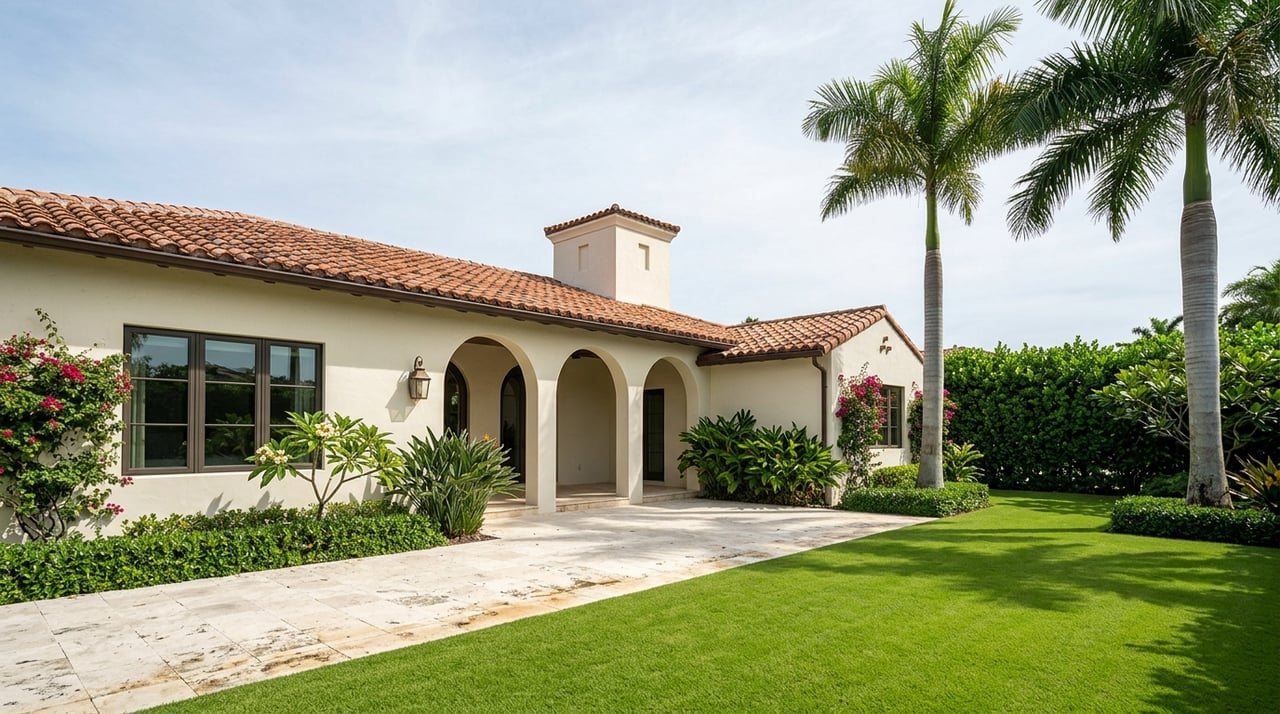
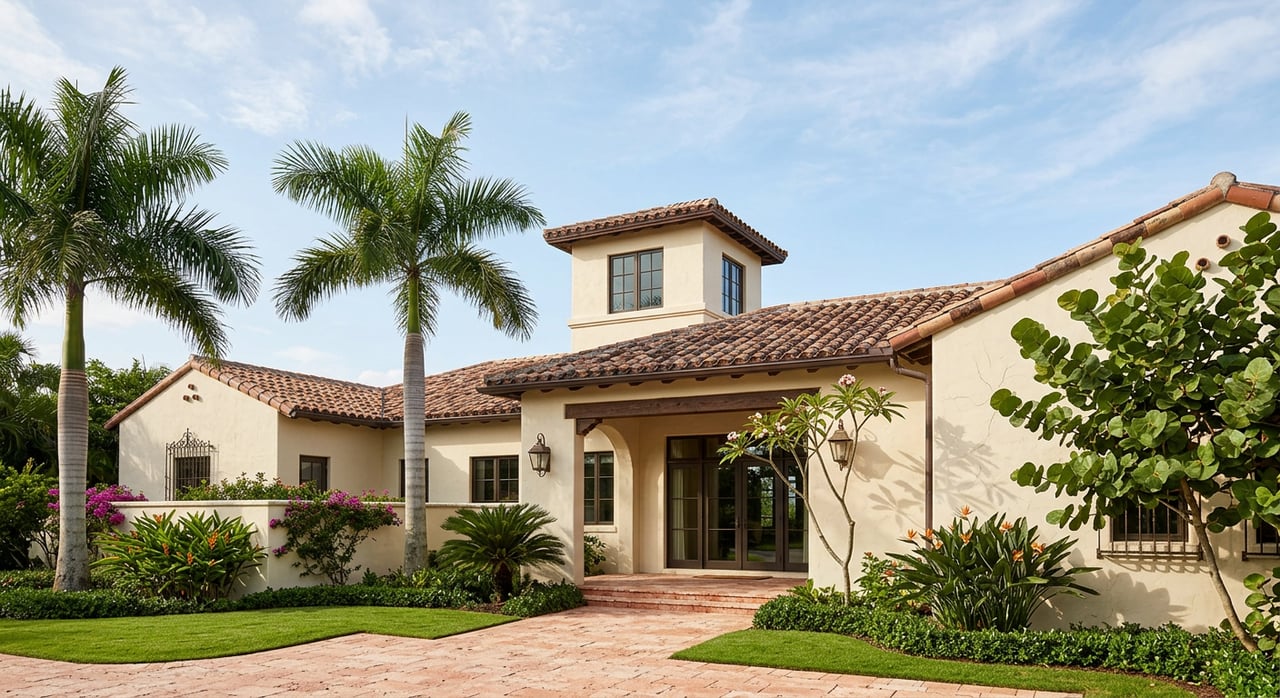
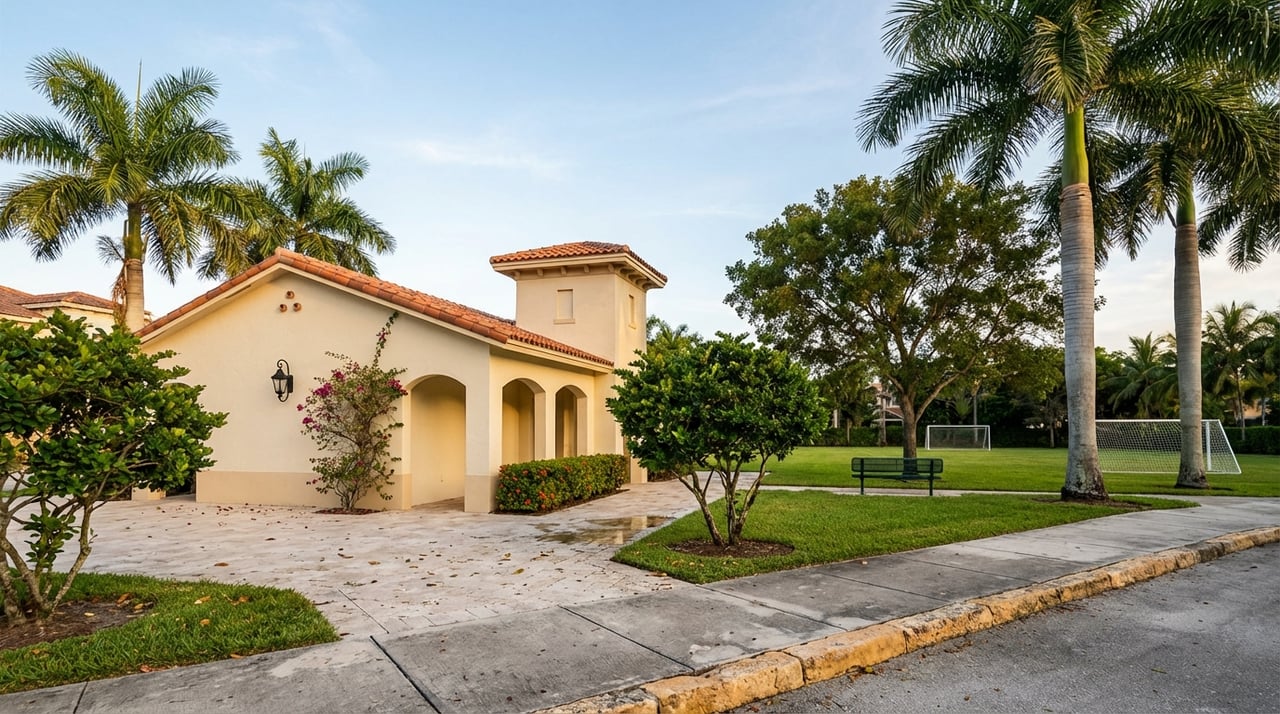
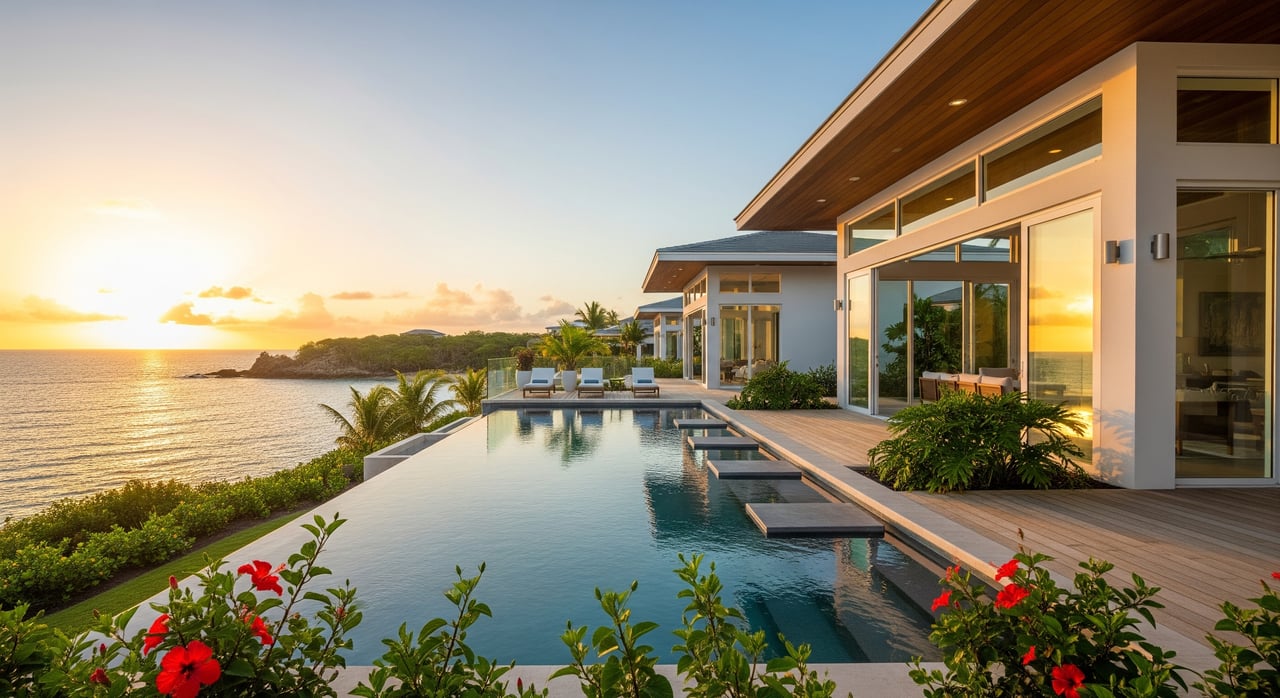
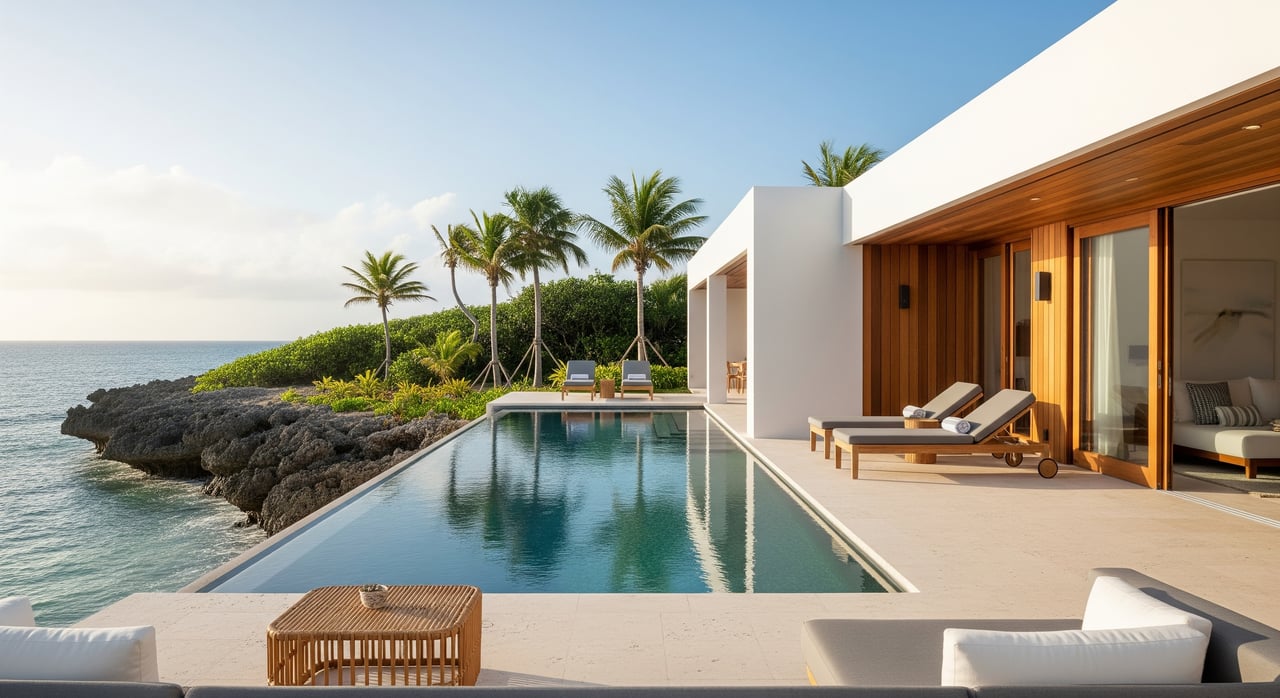
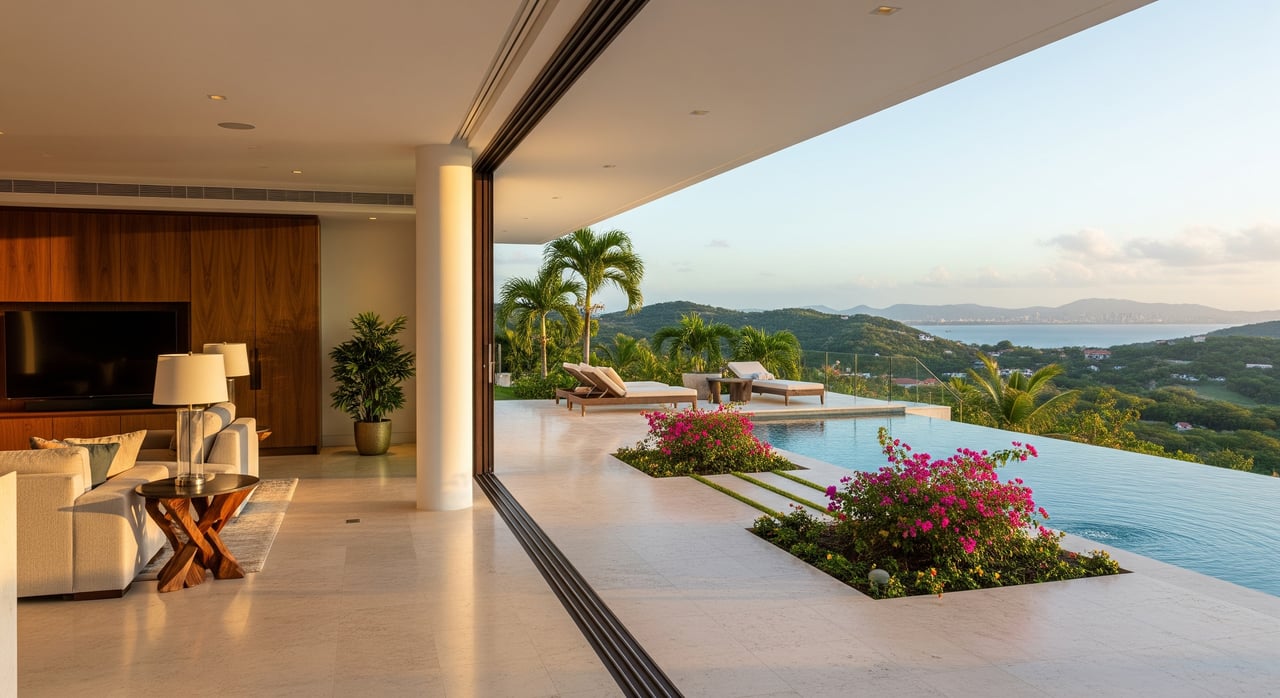
Homes blend Caribbean and Spanish-inspired elements like stucco walls, tiled roofs, and covered verandas with contemporary tropical details. You will notice open floor plans, large windows, and terraces that connect indoor and outdoor spaces. Materials and finishes are chosen for coastal durability.
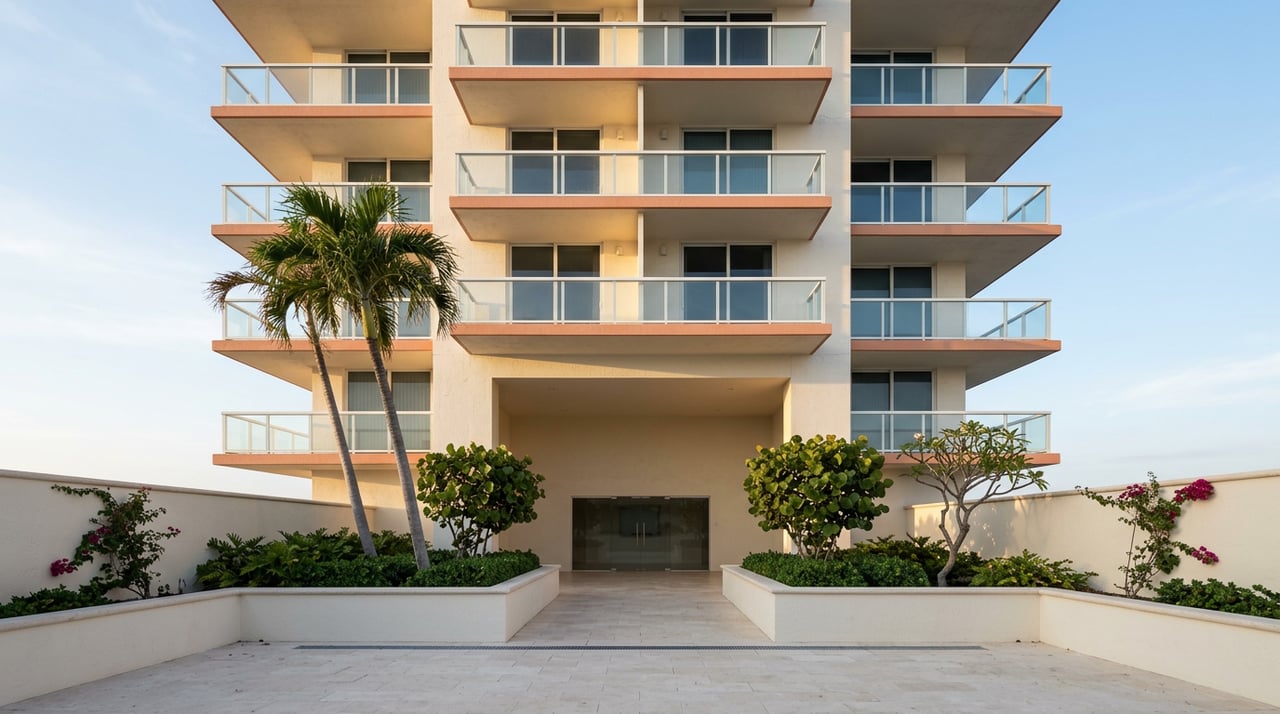
You will find a range of properties: low-rise condos that suit a lock-and-leave lifestyle, villa-style homes for families, and larger single-family estates for buyers who want more space and privacy. The density is lower than an urban setting because it is a resort-oriented community.
Village-style internal roads and gated access points create a secure, organized feel. Pedestrian paths, guest parking, and landscaped buffers reduce noise from the coastal road. Some homes are within walking or short cart distance to resort facilities and managed beach access. Others sit in quieter interior sections for extra privacy.
Many residents start early. You might walk or jog along neighborhood paths, stop at a fitness center, or enjoy coffee on a shaded terrace. If you have a tee time, you will see neighbors heading out for golf. Families often plan mornings around school drop-off or children’s activities.
If you work remotely, you can set up a home office and break for a quick swim or a light lunch at a nearby casual spot. Errands are practical, with supermarkets and specialty shops in Dorado town and provisions available through resort outlets. Service vendors handle many home tasks, from pool care to landscaping.
You might book a spa appointment, meet friends for tennis or pickleball, or take a paddleboard out on a calm day. Non-golfers gravitate to trails, courts, and fitness classes. Kids split time between the pool, organized programs, and homework.
The social rhythm often centers on club life, especially during peak seasons. You can join a themed dinner, attend a special event, or keep it simple with a sunset walk and an early night. Weeknights feel relaxed. Weekends bring more energy as second-home owners arrive and calendars fill with mixers and family-friendly activities.
Golf plays a big role in social life. Expect daily or weekly tee times, lessons, tournaments, and casual rounds that double as meetups. If golf is not your thing, you still have plenty of options. Courts, fitness studios, group classes, and outdoor trails create an active lifestyle that suits different ages and interests.
Resort communities often provide children’s programming, supervised activities, and family pools. These options can be a big help if you juggle work and family needs or if you host visiting relatives.
Families choose from local public schools, private bilingual schools in the region, and international or specialized options in the San Juan metro area. The right fit depends on your child’s needs, commute preferences, and schedule.
You have access to clinics and private practices in Dorado and nearby municipalities. For specialist care and larger hospitals, you can drive to facilities in the San Juan area.
Many homes sit within homeowner associations. HOA dues typically support security, common-area maintenance, landscaping, and sometimes utilities. If a property is tied to a private club, separate membership fees and initiation costs may apply for dining, golf, and other facilities. Always verify whether amenity access is included with your specific property or requires a separate membership.
When you evaluate a property, request HOA budgets, reserve studies, recent meeting minutes, and any special assessment history. If club access matters to you, ask about membership categories, fees, and waitlists.
Beyond the purchase price, plan for HOA and club dues, property taxes, insurance, utilities, and ongoing maintenance. Resort communities often carry higher recurring costs because of service levels and amenities. If you consider renting when you are not using the home, review HOA rules and local ordinances. Rental demand is seasonal and tracks broader tourism trends.
Coastal homes commonly need homeowners insurance that addresses wind and hurricanes, and flood coverage may be required depending on your home’s elevation. Obtain quotes during due diligence. Maintenance plans often include salt-air corrosion control, roof inspections, shutter reinforcements, and resilient landscaping. Many full-time owners install generators to support continuity during outages.
Living in Dorado Beach East gives you resort calm with access to city services. Many residents commute to San Juan as needed for work, school, or appointments. Travel times vary by traffic patterns on major corridors. Most visitors and second-home owners fly through the main international airport and drive to Dorado.
Dorado Beach East appeals to a mix of long-term local homeowners and second-home residents from the mainland and abroad. Lifestyle is a top driver, including beach access, golf, and club amenities. Some buyers also evaluate Puerto Rico’s incentive programs under Act 60 when planning a relocation or business move. If that applies to you, consult experienced tax counsel to understand your specific situation.
A short visit helps, but a deeper look will give you clarity. Use this checklist to make the most of your time:
If you want a refined resort lifestyle with practical access to San Juan, Dorado Beach East delivers a strong blend of leisure and convenience. You get managed amenities, an active social calendar, and property types that fit different stages of life. The key is matching the community’s rhythms and costs to your goals.
If you are ready to explore homes and membership options in detail, connect with a local expert who understands the rules, relationships, and day-to-day flow. For a private conversation and a tailored tour, reach out to Mariángel Martí.
Stay up to date on the latest real estate trends.
She brings 18 years of real estate expertise, a deep personal connection to the Dorado community, and a commitment to building lasting client relationships. You need a local expert who knows the business and will also provide guidance in other aspects of your lifestyle. With her intimate knowledge of the local market and dedication to providing exceptional service, Mariángel is ready to offer you the most thorough service to ensure you make a well-informed decision, making the real estate process smooth and rewarding.