Choosing Your Model At The Isles
January 15, 2026
January 15, 2026
Trying to choose the right model at The Isles can feel like comparing postcards. Every home looks beautiful, yet the day-to-day experience can be very different once you factor in views, sun and wind, privacy, and how you like to live outdoors. You want a model that fits your life today and protects resale value tomorrow. This guide shows you how to compare floorplans and lots at The Isles with clarity, so you can buy with confidence. Let’s dive in.
Your decision will come down to a few core drivers. Start with these:
Different layouts deliver very different living experiences. Here is how to think about common types you will see in resort single-family product.
If you want easy living and a smooth indoor-outdoor flow, a single-story with the primary suite on the main level is a strong choice. These plans are ideal for aging in place and for buyers who prefer to avoid daily stairs. The trade-off can be fewer elevated view opportunities compared to two-story designs.
This layout separates the primary suite from guest or children’s bedrooms with the main living area. You get privacy without adding a second floor. It is a practical fit if you host often or work from home and want quiet zones.
You get the best of both worlds: the primary suite downstairs and secondary bedrooms upstairs. This adds separation for guests or family and can unlock better long-range views from upper floors. Stairs are the trade-off, so think about future mobility.
These plans sometimes offer roof or upper-floor terraces that can capture more ocean horizon. They work well for buyers focused on view corridors and entertaining. Consider how upper-level spaces connect to your main outdoor areas.
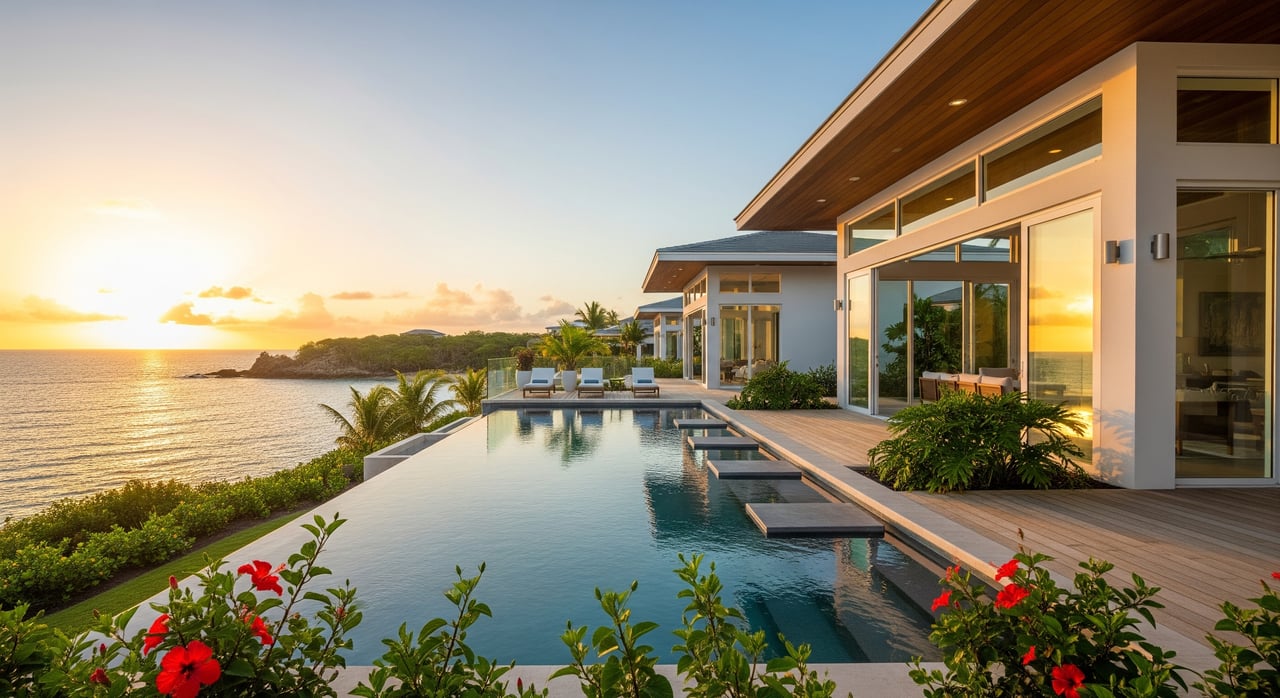
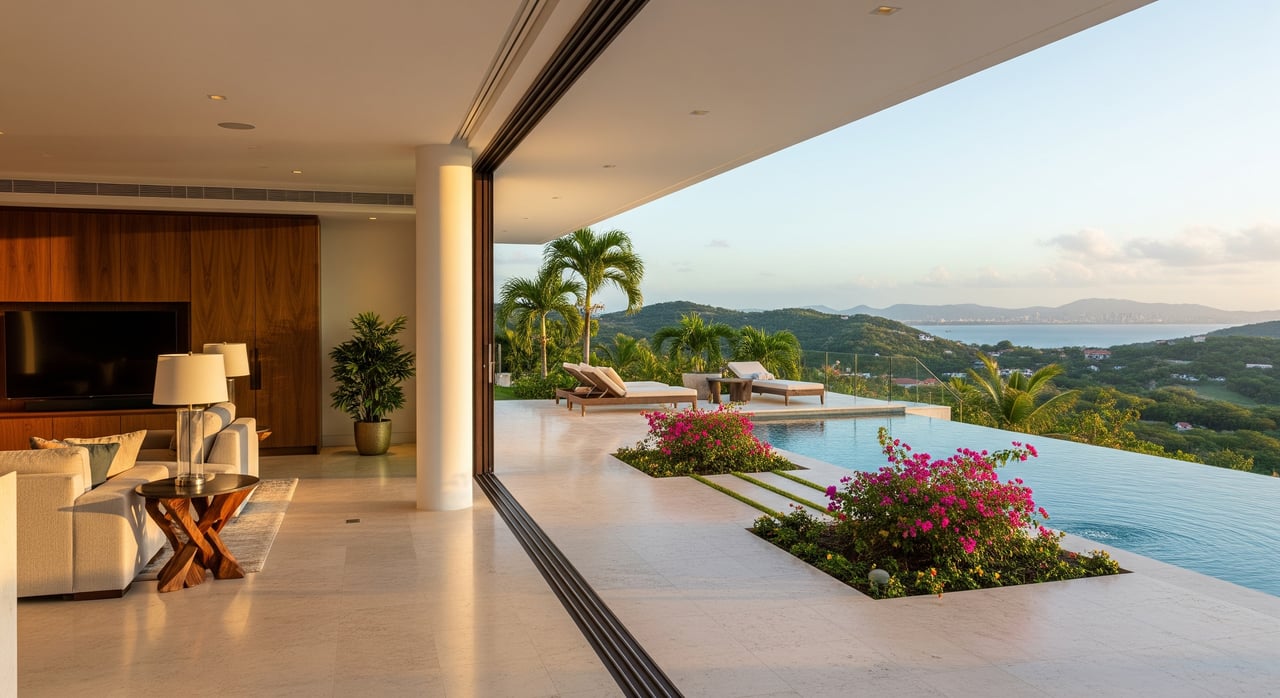
An inward-facing courtyard with a pool creates a private, sheltered outdoor room. You gain year-round comfort, calm water, and wind protection. The trade-off is fewer direct view lines unless your lot sits higher.
A semi-independent suite with its own entrance and kitchenette can be ideal for extended stays or visiting family. Look for strong sound separation, independent HVAC, and logical access to parking. Confirm any separate-use plans with the HOA and local rules.
In resort communities across Puerto Rico and the Caribbean, smaller single-family homes often range from about 1,200 to 2,000 square feet, medium luxury from about 2,000 to 3,500, and larger luxury or estate-style homes from about 3,500 to 6,000 or more. Accessory suites or casitas, when present, often run about 300 to 1,000 square feet. Exact sizes for The Isles can vary by model and release, so verify with current developer plans or MLS materials.
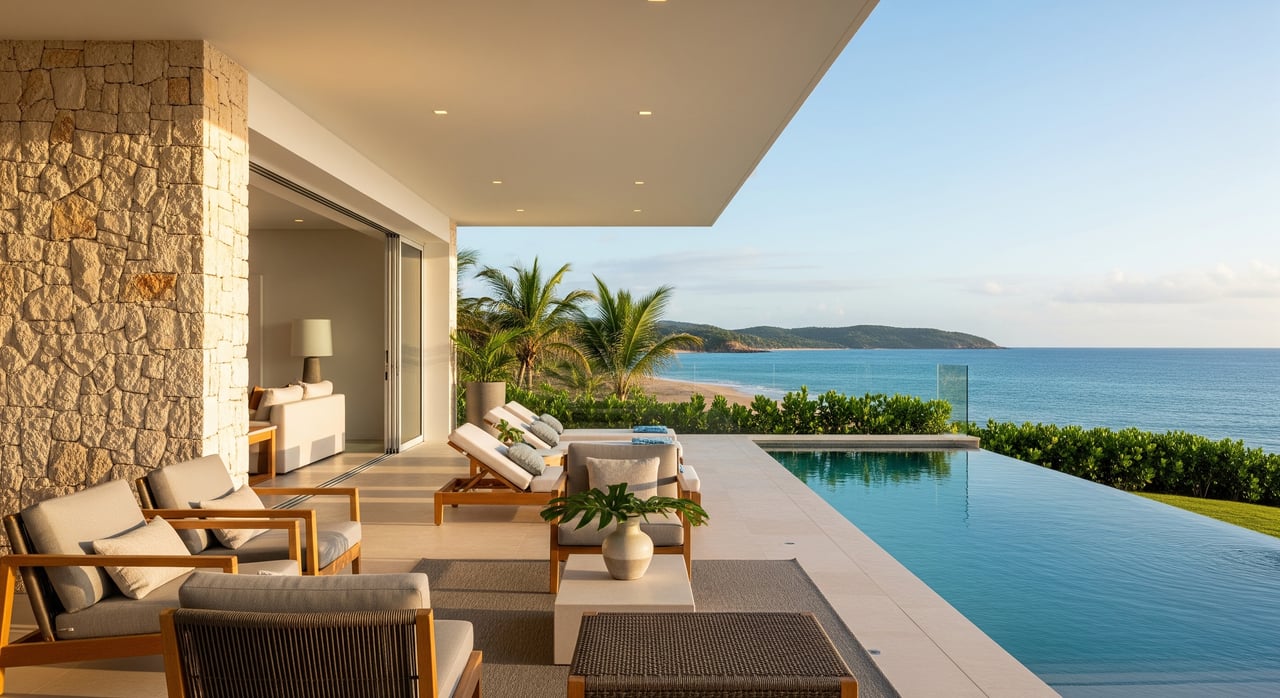
Orientation shapes both comfort and value. Ocean-facing lots can deliver signature views and stronger resale potential. They also tend to experience more trade wind exposure and salt spray, which affects exterior materials and landscaping choices.
Golf or inland-facing lots often feel quieter and more private, with less salt exposure. Corner lots bring extra light and airflow, but they may offer less privacy from two street fronts. End-of-row or buffer lots can add side yard space and separation.
View corridors depend on setbacks, topography, and neighboring vegetation. Mature trees and berms can be helpful for privacy but may screen views. Any changes to significant landscaping typically require HOA review, so plan improvements with approvals in mind.
Dorado’s prevailing trade winds generally come from the east and northeast. That means east-facing patios enjoy morning light with gentler afternoon heat, while west-facing outdoor spaces can feel warmer in late afternoon. Covered lanais, screens, and shade devices are especially helpful on west exposures.
Wind also affects comfort and maintenance. A more exposed lot may keep spaces cooler but can push spray across pools and terraces. Sheltered courtyards and well-placed plantings reduce debris and improve year-round outdoor use.
Pool location sets the tone for your daily routine and entertaining style.
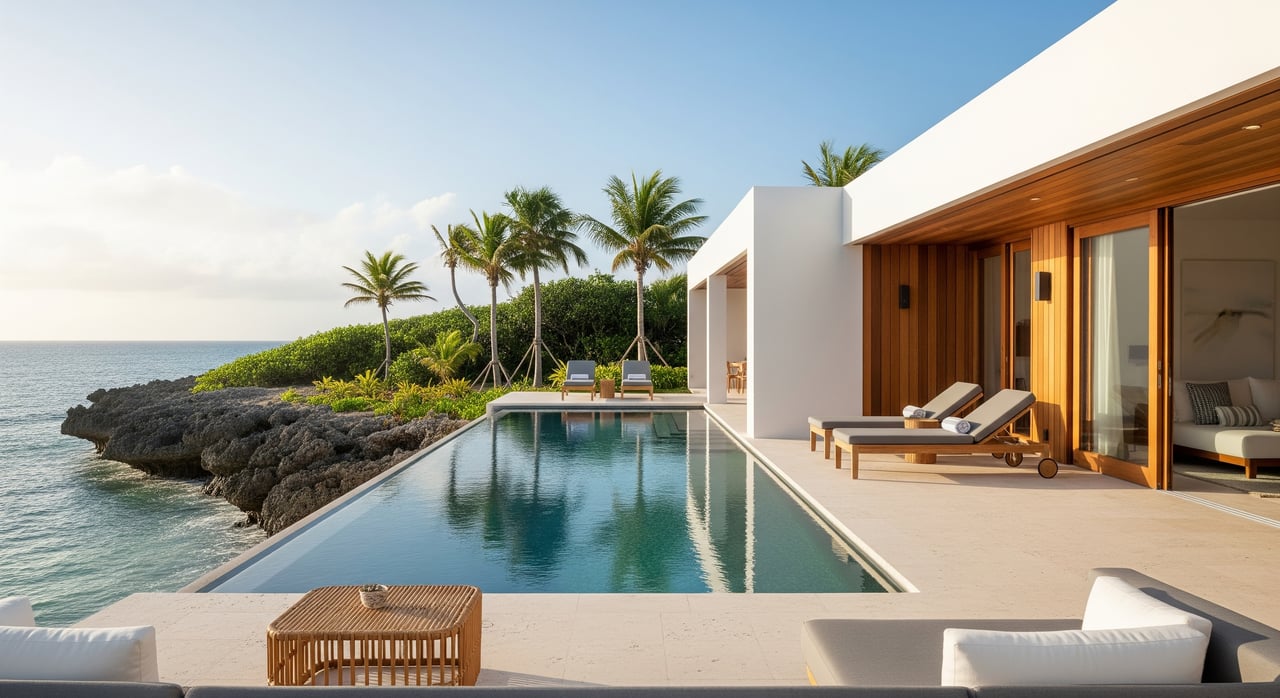
Think about privacy versus view. Pools oriented to the horizon can be more visible from neighbors or the street. Courtyard pools give privacy and calm water but sacrifice some view. Consider trees nearby, the filtration type, and whether a heater or cover is practical for your usage.
If you anticipate multigenerational living or long-term guests, focus on details that make independent living simple. Look for a true casita or dual primary suites, independent HVAC zones, and flexible laundry access. In two-story homes, space for a future elevator can be a valuable planning feature.
Always confirm what is allowed for accessory suites, rental use, parking, and occupancy with Dorado’s permitting office and the community HOA. If you plan independent living or potential rental in the future, ask about metering, separate entries, and any specific approvals required.
Coastal Puerto Rico follows building codes aligned with the International Building Code with local modifications. In a resort community, seek impact-resistant windows, reinforced roof connections, and corrosion-resistant materials. Ask for builder warranty details and any voluntary elevated standards used at the time of construction.
Check FEMA flood status and request an elevation certificate for the specific lot. Flood zone designation influences both design requirements and insurance needs. Windstorm and flood premiums can be higher along the coast, so secure recent quotes for the exact property you are considering.
For storm readiness, review generator provisions, transfer switches, and fuel storage options. Clarify HOA fees and what they include, from landscaping to security and common-area services, so you understand your monthly and seasonal carrying costs.
Use this checklist during site tours and when reviewing plan packets.
When you are ready to compare specific models and lots, a focused walkthrough with local context makes all the difference. If you want a quiet lane, the warmest year-round pool, or a view that frames sunset from your terrace, those choices are best made on site with the right questions in hand.
Ready for a private, concierge-level comparison of models at The Isles? Connect with Mariángel Martí to align floorplan, lot, and lifestyle with your goals.
Stay up to date on the latest real estate trends.
She brings 18 years of real estate expertise, a deep personal connection to the Dorado community, and a commitment to building lasting client relationships. You need a local expert who knows the business and will also provide guidance in other aspects of your lifestyle. With her intimate knowledge of the local market and dedication to providing exceptional service, Mariángel is ready to offer you the most thorough service to ensure you make a well-informed decision, making the real estate process smooth and rewarding.