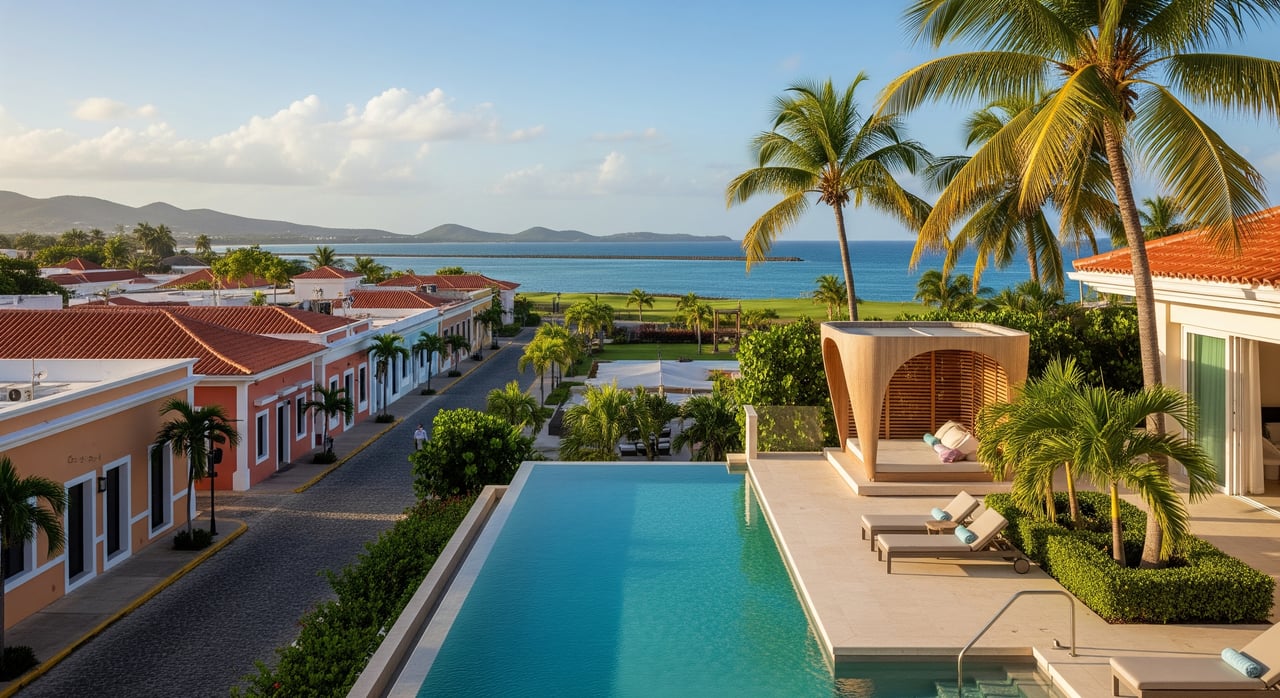
Dorado Real Estate Market Insights: Resort vs Town Living
December 4, 2025
December 4, 2025
Thinking about Dorado but not sure whether the resort enclaves or townside neighborhoods fit you best? You are not alone. The town is unique because it offers two very different real estate experiences within one municipality. In this guide, you will learn how each submarket works, what lifestyle and cost differences to expect, and the due diligence that helps you choose with confidence. Let’s dive in.
Dorado stretches along Puerto Rico’s northern coast, with a coastal resort corridor and more traditional neighborhoods closer to town. For buyers, it helps to view Dorado as two broad submarkets:
Each submarket offers a distinct mix of property types, governance, costs, and daily living patterns.
You will find luxury beachfront or near‑beach villas, estate homes on or near golf, resort condominium residences with hotel-like services, and high‑end townhomes in gated communities. Inventory is smaller and often features custom finishes and premium materials. The setting prioritizes privacy, recreation, and on‑site convenience.
Many resort properties include newer redevelopment and renovations with higher construction standards. Some residences reflect more recent hurricane‑resilient features. Always verify specific build details during inspections.
Resort enclaves tend to attract buyers seeking a second home, a seasonal base, or high‑amenity living with services such as concierge and dining close at hand. If you value privacy, branded environments, and amenity access, this submarket aligns well. Some properties also appeal to investment buyers evaluating short‑term rental potential through resort programs.
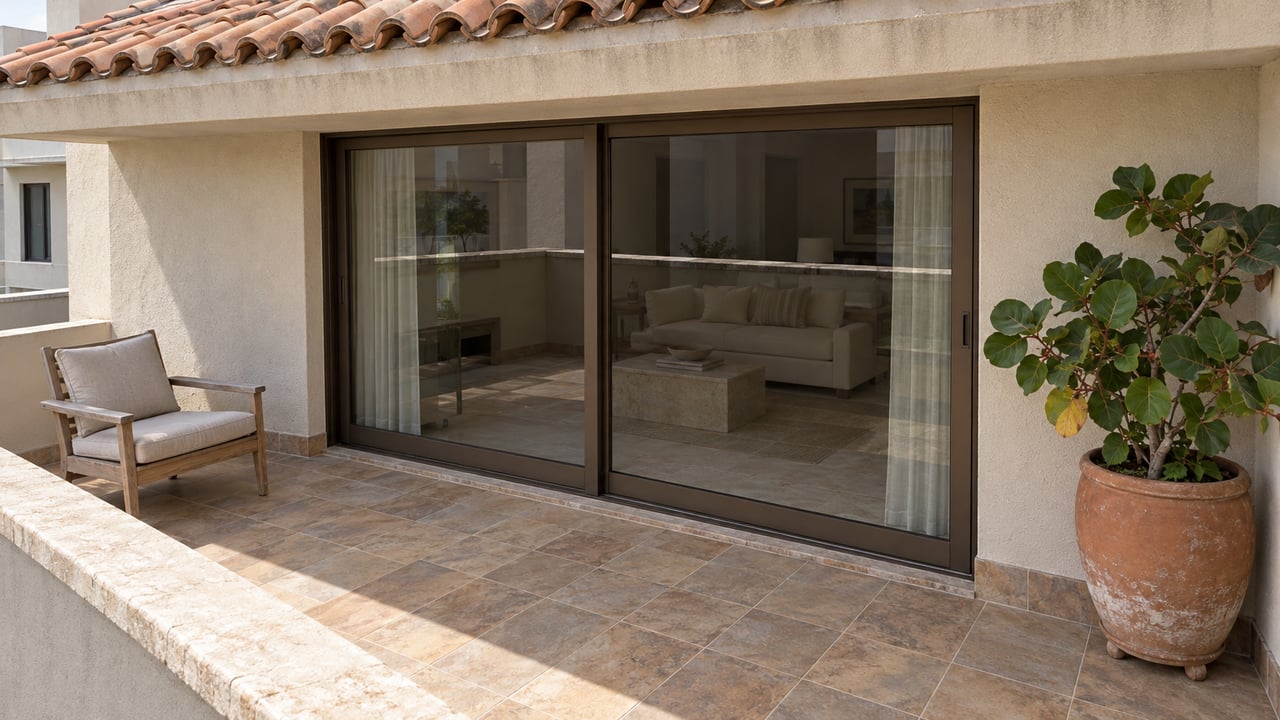
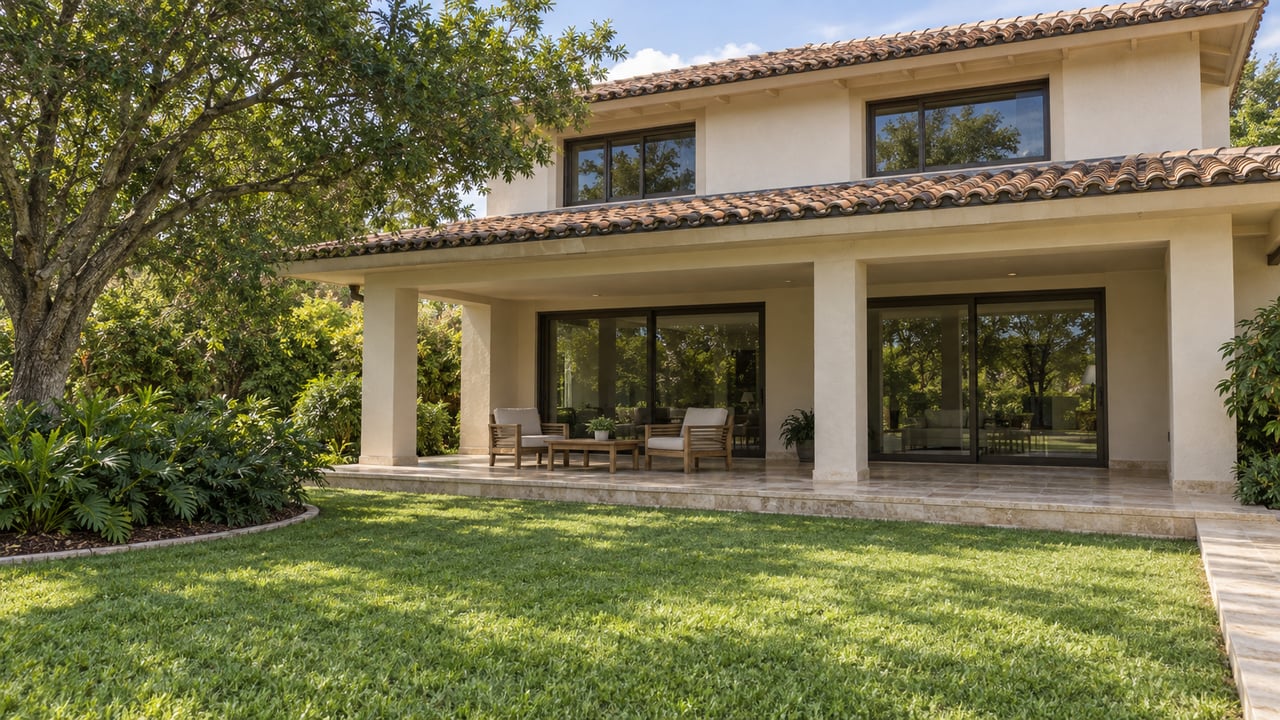
Expect traditional single‑family homes on modest lots, small‑to‑medium condominium complexes, townhouses, and newer planned subdivisions designed for everyday life. You will also see rental apartments and multifamily options near the town center.
Townside areas include older neighborhoods alongside infill and newer construction. Quality varies by subdivision and building. Due diligence on maintenance history and community standards is key.
Townside neighborhoods work well if you prioritize day‑to‑day convenience, year‑round community life, and broader price points. Many buyers value proximity to schools, local shops, and municipal services. If you plan to live in Dorado full‑time, townside options may offer the right balance of space, access, and cost.
Resort properties typically command a premium due to location, branding, amenities, and limited supply. You should also plan for higher monthly fees that support hotel‑level services, security, and grounds. Townside neighborhoods generally offer lower entry prices and more moderate association fees, though reserves and maintenance coverage vary. For a true comparison, ask for side‑by‑side estimates that include mortgage, HOA or regime fees, insurance, and taxes.
Resort residences often sit within multiple layers of governance: a master association, sub‑associations, and resort or hotel management agreements. Expect strict architectural guidelines, brand standards, and detailed rules for use. Short‑term rentals, leasing, and property modifications may be regulated through resort programs and agreements that include revenue‑share or on‑site management terms.
Townside neighborhoods usually operate under a single HOA with homeowner‑led boards. Rules focus on aesthetics and common area upkeep, and monthly fees are typically lower. Enforcement, reserves, and vendor contracts differ by community, so verify the structure and financial health before you commit.
Resort enclaves deliver a high‑amenity lifestyle with private beach access, golf, spa, dining, concierge, and security built in. You spend less time traveling for leisure and more time enjoying on‑site services. Townside living is integrated with local restaurants, shops, schools, and community events, which can feel more stable year‑round. Consider how you prefer to spend your time, and whether a seasonal or full‑time environment suits you.
Coastal resort properties can carry higher insurance premiums for wind, hurricane, and flood. Lenders often require flood insurance in FEMA‑designated zones, so verify the property’s flood zone, elevation, and any base flood elevation documentation. Since Hurricane Maria, many buyers prioritize roof condition, wind protection, and backup power. Some resort communities maintain central generators or private systems; townside availability varies by neighborhood. Ask whether water, sewer, and power rely on municipal service or private infrastructure.
Resort residences may offer established short‑term rental pathways, often through on‑site programs with specific terms and revenue arrangements. Townside short‑term rentals depend on HOA rules and municipal regulations, which evolve over time. Confirm local occupancy taxes and registration needs and review all policies before underwriting any investment assumptions.
Dorado is commutable to San Juan for some buyers, with variable traffic along PR‑22 depending on time of day and destination. Townside neighborhoods often provide shorter trips to schools, banks, and local services. Resort enclaves favor seclusion and on‑site amenities over proximity to town errands, so factor in your daily patterns.
Ask yourself these questions:
Use this list to compare properties across both submarkets:
If you are early in the process, start by defining non‑negotiables for budget, primary use, amenities, and must‑have rules. Request sample listings and side‑by‑side cost comparisons that include HOA fees and estimated insurance. Ask for HOA or regime documents early to confirm governance and rental policies. Visit both submarkets at different times to compare traffic, noise, and population patterns. Finally, speak with a lender and an insurance broker to confirm financing and coverage for coastal or resort properties.
When you are ready to narrow your search, work with a local advisor who understands both the resort and townside dynamics, governance structures, and due diligence. If you would like a discreet, concierge‑level consultation focused on your goals in Dorado, connect with Mariángel Martí.
Stay up to date on the latest real estate trends.
She brings 18 years of real estate expertise, a deep personal connection to the Dorado community, and a commitment to building lasting client relationships. You need a local expert who knows the business and will also provide guidance in other aspects of your lifestyle. With her intimate knowledge of the local market and dedication to providing exceptional service, Mariángel is ready to offer you the most thorough service to ensure you make a well-informed decision, making the real estate process smooth and rewarding.